Ever asked yourself why it appears that some gardens are doing well so easily, while others are like fighting a war with nature? The answer might lie in more than just soil and sunlight. The truth is, smart landscape design in Arizona isn’t just about aesthetics—it’s a science-backed approach that directly supports the health and longevity of every plant in your yard.
From strategically placed trees to soil-sensitive planting beds, proper design can turn your outdoor space into a wellness hub for plants. Curious? Keep reading to uncover how planning and placement unlock stronger roots, greener leaves, and longer blooms.
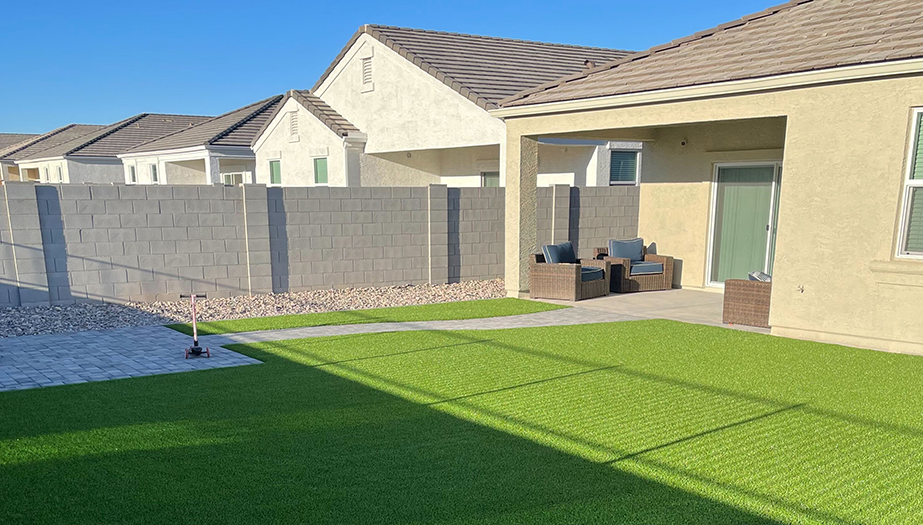
1. Strategic Plant Location Fosters Natural Growth
Landscape architects recognize that plants have habits. Some need full sun; others die without it. Installing the proper plant in the appropriate location makes the most of its natural ability and lessens the amount of constant intervention.
Consider Phoenix, for instance. With searing sun and little rain, siting drought-tolerant plants in sunny areas and water-requiring ones in sheltered spots enables the garden to thrive in harmony with its surroundings. That’s where professional landscape maintenance in Phoenix, AZ, comes in—a role where professionals not only upkeep but also keep adjusting designs to accommodate plant health requirements.
2. Soil Matching Supports Root Strength
Soil is not all the same. Sandy ground drains quickly, clay retains water, and loamy ground balances the two. A landscape professional incorporates soil testing into the design to pair plant species with the ground that they will be planted in.
Plants will have good nutrient uptake, root depth, and disease resistance when they grow in matched soils. Designers will typically alter soil using mulch or organic matter to sustain long-term development, and that decision alone can either create or destroy a landscape.
3. Irrigation Systems Reduce Water Stress
Water conservation becomes the most important factor as Arizona is a very dry area. Hence, with modern landscaping, irrigation systems are installed, giving water just when and where the plants may need it. Drip irrigation is one such system, which literally means water from a drip. Irrigation systems, whether drip or sprinklers, are designed to supply water to plants at critical stages of their life cycle.
Irrigation systems put the plants on an even footing, so they either don’t get too watered or too little watered. With just the right watering, plants will be saved from yellow leaves and restricted growth or root rot.
The commercial landscaper’s guide incorporates this type of irrigation for care, where time and energy conservation are really needed to keep a large area green and healthy.
4. Seasonal Designs Reduce Plant Shock
Did you know that changing seasons can shock your plants if the landscape isn’t designed properly? Designers plan for Arizona’s temperature extremes—adding windbreaks, seasonal shade structures, or deciduous trees that adapt throughout the year.
This kind of forethought prevents plants from being exposed to harsh elements without protection. Seasonal rotation of annuals and routine pruning schedules are often included in maintenance plans to keep everything aligned with nature’s rhythms.
5. Hardscaping Prevents Soil Erosion
Let’s discuss Hardscape Design in Chandler, AZ. While hardscaping is done for looks, it serves more than that purpose. Walkways, retaining walls, and paver systems anchor soil and redirect water flow, both of which are vital in maintaining root plantings.
When torrential rains come, ill-conceived landscapes can wash away topsoil and leave vulnerable roots bare. But when thoughtful hardscapes are installed, they serve as shields that bind the ecosystem together. The payoff? Plant life that’s well and firmly anchored all year round.
6. Pest and Weed Control Begins with Design
Believe it or not, a proper layout can deter pests and reduce weed growth. When there’s less stress on plants, they naturally resist infestations. Designers use spacing techniques that increase air circulation and prevent fungal diseases.
Mulch rings, raised beds, and weed barriers incorporated during design can reduce the need for chemical sprays down the line. This eco-friendly approach helps plants grow without constant interference or damage.
7. Long-Term Health Needs Regular Maintenance
Don’t fool yourself: Even the finest design requires upkeep. An intelligently designed garden makes maintenance simple, and a solid maintenance regimen preserves the initial design. This is where commercial landscaping in Phoenix comes into play. Through regular pruning, fertilizing, irrigation checking, and adjusting for plant growth, professionals keep the system healthy and self-sustaining.
Healthy landscapes aren’t only pleasing to the eye—they operate efficiently, and that’s the elegance of a superb design plan.
Final Thoughts
Healthy landscapes don’t happen by accident—they’re the result of smart planning, soil knowledge, and thoughtful landscape design in Arizona. At CGL Landscaping, we bring all of that together to support stronger, longer-lasting plant health. Our knowledgeable crew designs, maintains, and upgrades outdoor spaces with precision and care. When you are ready to watch your landscape grow on its own, help is just around the corner because plants at CGL Landscaping grow better with us.