Mornings in Ahwatukee strike differently, don’t they? The deserts’ silent buzz, sun-gold spilling over rock-hard ground, and the gentle crunch of gravel beneath your feet. It is serene. but a bit hollow. You glance at your yard — it’s all stone, tan, and dust. You desire more. More than just beauty, but depth.
Something with color. Something with feeling. If you’ve ever wondered why some desert yards feel dry and lifeless, while others look like a calm oasis… it often comes down to two things: color and texture.
This blog unpacks how these subtle design tools can completely change your experience of a desert hardscape in Ahwatukee, AZ, and why they matter far more than most people think. Stick around — what you discover might just reshape how you see your own outdoor space.
Color: Not Just Decoration, But Emotion
Color doesn’t just fill space — it sets the mood. And in a desert hardscape, where greenery is limited, color becomes a bold, expressive tool.
The palette of the desert is more diverse than individuals realize. Consider soft pinks at sunrise, burnished oranges in terra cotta, smoky grays in rock, or even lavender tints in parched shadows.
Selecting the optimal color combinations:
- Warms a chilly-appearing patio
- Brings contrast to an unadorned landscape
- Calls attention to important details such as seating spaces or garden beds
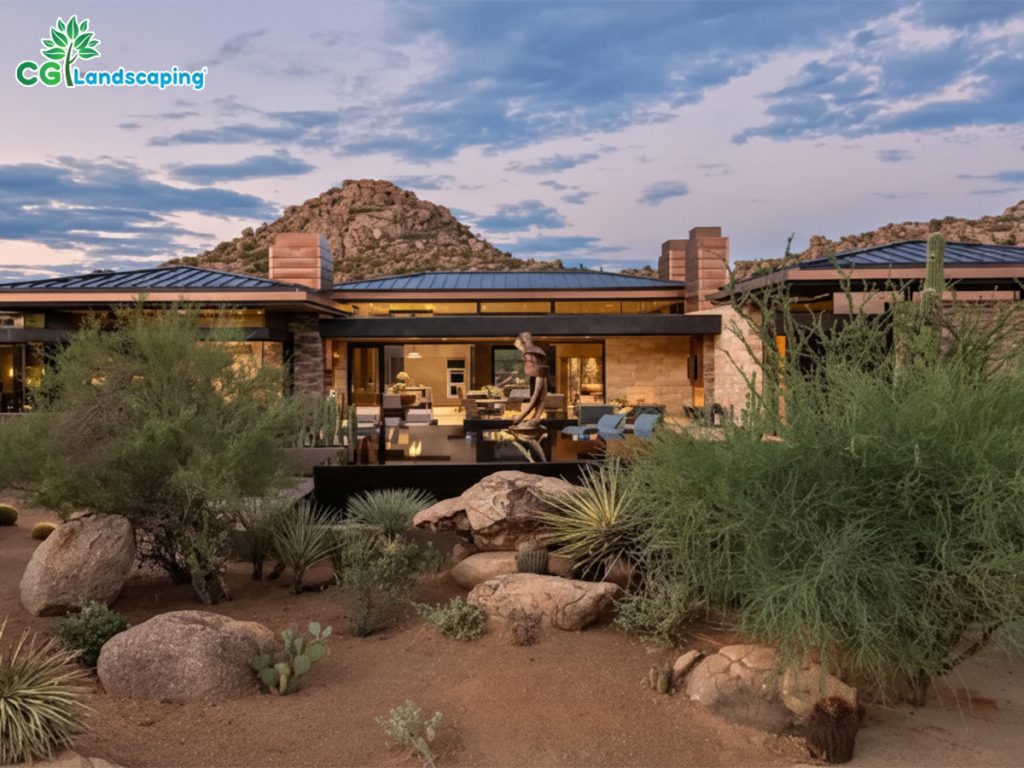
A well-designed desert hardscape in Ahwatukee, AZ, could employ rust-hued pavers to mirror desert earth or charcoal gray stones to enhance plant greens.
Color is your voice in the yard — it says calm, bold, quiet, or cozy depending on what you use.
Texture: The Invisible Force That Shapes Everything
If color brings life to a space, texture gives it soul.
Look closely at great desert landscaping, and you’ll notice how no two surfaces feel the same. Bulbous flagstones, plush artificial grass, gritty gravel, slippery tile — texture makes a difference. It draws the eye and draws you in.
Without texture, your yard is lifeless and incomplete. With texture, even a little area seems deep and rich in personality.
You can use texture to:
- Guide the flow of foot traffic
- Define different areas (relaxing vs. social zones)
- Create shadows that shift beautifully with the sun
And in the stillness of desert evenings, texture becomes even more powerful — catching the glow of lights, breaking up the monotony, and making every corner feel crafted, not random.
Blending Materials Makes Everything Click
Real desert magic happens when you mix colors and textures together.
Think smooth concrete nestled next to crunchy decomposed granite. Or rough stone walls surrounding a polished patio. Even a strip of synthetic grass between large pavers can create a stunning contrast.
This mix isn’t just for looks — it serves a function. Hard surfaces define movement. Soft ones create comfort. Bright tones draw attention. Dark tones ground the layout.
One increasingly popular combo? Pairing rich-colored stone paths with a patch of green from commercial artificial grass installation in Arizona. This gives the illusion of life, without the water waste or upkeep.
Artificial Grass: Your Secret Weapon
Let’s face it — actual grass isn’t always going to perform optimally in the Arizona sun. But artificial grass? That’s where aesthetics meet functionality. It brings:
- A fresh, vibrant pop of color
- A soft break from all the stone
- Visual balance in a hardscape-heavy design
Especially in large or commercial spaces, commercial artificial grass installation in Arizona makes perfect sense. It handles foot traffic, stays green all year, and cools down the overall look.
Used strategically, artificial grass can turn your yard from dry and dusty to vibrant and versatile — no hose required.
Don’t Forget the Plants — Even in a Hardscape
Hardscaping isn’t replacing nature — it’s enhancing it.
Plants still play a role. Desert plants like shrubs, cacti, and succulents not just thrive in tough environments but draw attention to your design decisions.
Want to emphasize a boldly colored wall? Add a silver-edged agave. Want to tame a harsh edge? Use a low-sitting golden barrel cactus.
Plants introduce soft movement to all the hard textures — the perfect finishing touch.
How Every Texture Has a Purpose
Even your walkways deserve more thought. A smooth path feels modern, sleek. A gravel one feels rustic and casual. Your guests will feel it underfoot — literally.
Texture can:
- Make spaces feel more inviting
- Define zones (dining, firepit, garden)
- Influence comfort and usability
When designing your desert hardscape, don’t just ask what looks good. Ask what feels good. That’s where real connection lives.
Light: The Forgotten Texture
Most people stop designing when the sun goes down. But that’s when texture truly comes alive.
Low, warm lighting along a textured wall? Magic. Spotlights hitting a rough stone sculpture? Captivating. Tiny solar lights outlining a curved gravel path? Functional and stunning.
Lighting transforms your yard from practical to emotional. It reveals the textures you’ve chosen and turns your design into an experience.
Conclusion: Let the Desert Speak
The desert doesn’t need to be “fixed” or covered up — it needs to be understood.
An expertly designed desert hardscape in Ahwatukee, AZ, does not feel contrived or artificial. It feels earthy. Deliberate. Vibrant.
So whether you’re creating a relaxing corner to read or a complete business space that impresses every guest, remember: color and texture are not finishing touches. They are the design.
Want your space to reflect desert beauty? Let CGL Landscaping make it happen — with craftsmanship that respects the landscape and design that touches the heart.