Designing landscapes for arid regions requires logic, restraint, and climate awareness. High heat, limited rainfall, and soil volatility make traditional landscaping inefficient and expensive over time. This is why Desert Hardscape in Ahwatukee, AZ has become a structural necessity rather than a stylistic option. At CGL Landscaping, we focus on building outdoor environments that adapt to desert conditions while remaining functional and visually composed. This article explains how hardscape-driven planning supports sustainable property design in dry climates.
Water Efficiency as a Core Design Priority
Water scarcity defines arid property management. Hardscape elements such as pavers, gravel systems, and stone surfaces eliminate the constant irrigation demands associated with turf-heavy layouts. These materials reduce evaporation loss and remove dependency on automated watering schedules. Over time, this approach conserves substantial water volumes while maintaining a clean, controlled landscape structure.
In addition, properly graded hardscape systems guide water flow efficiently during short rainfall periods. Runoff is directed away from buildings and erosion-prone areas. This improves drainage performance and protects subsurface layers. Properties benefit from predictable water behavior instead of soil saturation and surface degradation.
Heat-Resilient Materials Extend Landscape Lifespan
Extreme temperatures accelerate wear in conventional landscape components. Hardscape materials are selected specifically for their resistance to thermal expansion, ultraviolet exposure, and abrasive dust. Stone and concrete composites retain their form and finish despite prolonged heat cycles, ensuring consistent performance throughout the year.
As seasons change, these materials continue to function without cracking or warping. This stability reduces the need for frequent repairs or replacements. Over time, property owners experience fewer disruptions and lower lifecycle costs, making hardscape a dependable long-term investment.
Reduced Maintenance Demands Improve Cost Control
Maintenance efficiency is a major advantage of hardscape-centered landscapes. Without lawns to mow or reseed, upkeep becomes predictable and minimal. Cleaning typically involves periodic rinsing or surface sweeping rather than ongoing labor-intensive tasks.
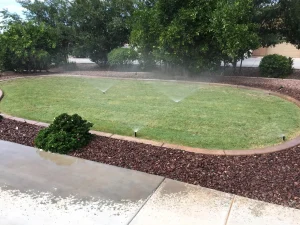
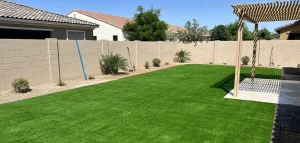
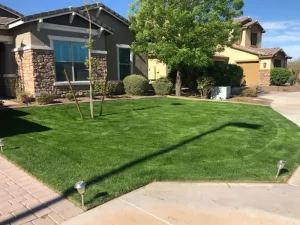
Selective green zones can still be included using SOD installation near me services in controlled areas. This hybrid method allows visual contrast without increasing maintenance strain. The overall landscape remains manageable while preserving functional greenery where it serves a clear purpose.
Soil Stability and Erosion Prevention
Desert soils are often loose and vulnerable to displacement. Desert Hardscape in Ahwatukee, AZ structures act as stabilizing frameworks that secure soil layers against wind and water movement. Walkways, retaining features, and compacted surfaces prevent sediment migration and uneven settling.
This stabilization protects surrounding structures and reduces long-term grading issues. Over time, the landscape maintains its form and elevation. Proper base preparation ensures that surfaces remain level, improving both safety and durability across the property.
Functional Outdoor Living Spaces
Hardscape transforms unused land into purposeful outdoor areas. Patios, seating zones, and structured pathways define space without increasing water usage. These features support daily use while remaining resilient under constant sun exposure.
Thoughtful material selection also improves surface comfort. Reflective tones and textured finishes help manage heat absorption. As a result, outdoor areas remain usable across seasons, expanding the functional footprint of the property.
Visual Consistency with Desert Ecology
A successful arid design respects its environment. Hardscape materials mirror natural desert tones, creating visual continuity rather than contrast. Stone textures and neutral palettes align with surrounding terrain, producing a cohesive appearance.
This consistency avoids artificial aesthetics while supporting modern design principles. The landscape appears intentional and grounded. Over time, the property integrates naturally into its setting instead of competing with it.
Long-Term Property Value Optimization
Hardscape-focused landscapes deliver measurable financial benefits. Reduced water bills, lower maintenance expenses, and material longevity directly impact ownership costs. These efficiencies contribute to improved property valuation and market appeal.
Properties designed around Desert Hardscape in Ahwatukee, AZ communicate durability and climate intelligence. CGL Landscaping structures these systems to support both present usability and future asset performance, ensuring value retention over time.
Conclusion
Arid environments demand purposeful landscape strategies. Desert Hardscape in Ahwatukee, AZ addresses water limitations, heat exposure, and maintenance challenges through durable, efficient design. At CGL Landscaping, we plan and build hardscape systems that align with desert realities while enhancing property function and longevity. A well-executed hardscape approach ensures outdoor spaces remain stable, efficient, and visually refined for years ahead.
Call to Action
If your property requires a landscape solution built for desert conditions, connect with CGL Landscaping today. We design and install structured hardscape systems that reduce maintenance and support long-term performance. Call (480) 219-0038 to discuss your project and plan a climate-smart outdoor transformation.
FAQs
1. Why is hardscape essential for desert property design?
Hardscape reduces water dependency, withstands extreme temperatures, and stabilizes soil conditions. In arid regions, these benefits prevent erosion, lower maintenance demands, and ensure the landscape remains functional despite environmental stress.
2. Can hardscape landscapes still include grass areas?
Yes. Limited turf zones can be integrated strategically using SOD installation near me options. This approach preserves greenery without increasing irrigation loads or maintenance complexity across the entire property.
3. How does hardscape affect long-term property costs?
Hardscape lowers recurring expenses by minimizing water usage and maintenance labor. Durable materials also reduce repair frequency, allowing property owners to control costs while maintaining a stable and efficient landscape system.