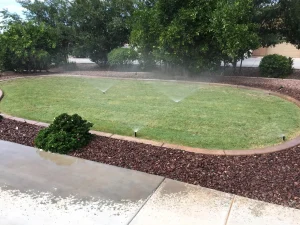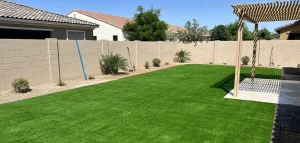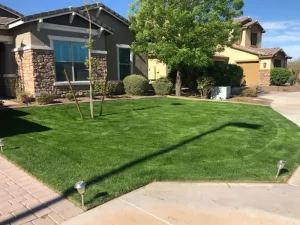

Hey. Suppose waking up early to check your garden—once green and vibrant, now brittle and brown… The sun hasn’t even peaked, but the ground is already dry, cracked like an old desert painting. You glance at the sprinkler heads. They’re working. Or at least, they seem to be. Then comes the question: Why is everything still drying up?
Arizona’s unique climate brings challenges that most systems aren’t built to handle on their own. Heat, wind, and dry soil all play a role in weakening performance. That’s why irrigation services in Arizona are more than just helpful—they’re essential.
This blog will walk you through exactly how the desert climate impacts your system, what to watch for, and how the right support can save you from costly repairs or a dying landscape. Keep reading—your lawn depends on it.
How Arizona’s Harsh Desert Climate Affects Your Irrigation System?
1. Heatwaves and Hardware Breakdown
Arizona’s summers don’t play nice. Triple-digit temperatures stretch across weeks, and even top-grade irrigation systems start to feel the heat. The plastic components of sprinkler heads and valves often melt slightly or crack. Rubber seals dry out faster than usual, causing leaks that stay hidden underground.
High temperatures also affect pressure regulation. Systems may overpressurize or underperform depending on how well they’re adjusted to the climate. If left unchecked, this leads to dead patches or overwatered areas.
2. Dry Soil: A Hidden Threat
Soil in Arizona is notoriously thirsty. Sandy or clay-infested soil drains water rapidly, and too rapidly for plants to drink it up. Normal irrigation cycles fail to take this into consideration, leaving lawns and landscapes dry.
In commercial settings, this becomes expensive. A Commercial Landscaping company in Arizona will tell you—adjusting schedules isn’t enough. You need zone-specific watering systems with deep-soak features and pressure control.
Without those? Water runs off, not in. Which means you’re watering the sidewalk, not your shrubs.
3. Wind Disruption: The Invisible Saboteur
Desert winds are dry, fast, and surprisingly damaging to sprinkler systems when wind speeds pick up; sprinkler patterns scatter. That mist that should hit the lawn? It’s landing on a fence—or evaporating mid-air.
This becomes worse in wide, open areas. Commercial properties and business parks often suffer due to their larger, flat spaces. Wind turns fine-tuned systems into guesswork.
To counter this, wind sensors or low-angle nozzles are a must. But again, these upgrades are rarely installed unless a professional landscaping company in Arizona is on board.
4. Evaporation: Losing Water Before It Counts
Timing is everything in the desert. Watering during the day? That’s nearly pointless. Arizona’s heat can cause up to 50% of water to evaporate before it reaches the roots. That’s money straight down the drain.
Irrigation systems must be scheduled for early mornings or late evenings. However, many outdated controllers don’t support flexible programming. Smart timers help—but they need a climate-specific setup.
This is where irrigation services in Arizona truly shine. Professionals know when, where, and how to water efficiently. They don’t just install systems; they fine-tune them for desert survival.
5. Hard Water and Mineral Buildup
Arizona has hard water—packed with minerals such as calcium and magnesium. These minerals accumulate over time within your irrigation lines, nozzles, and drip lines. The outcome? Lower flow, clogged heads, and uneven distribution.
Mineral buildup is sneaky. It doesn’t cause sudden failure, just a slow decline in performance. Most homeowners don’t notice until entire sections of their lawn begin to dry up.
Descaling and filter systems can prevent this. But regular cleaning and inspection are still required—especially for larger properties managed by any Commercial Landscaping company in Arizona.
6. Climate-Driven Maintenance: The Overlooked Expense
Irrigation systems in Arizona require more frequent checkups than in cooler, wetter states. Components expand and contract due to temperature swings. Emitters clog. Controllers misfire.
Yet most systems are “set and forget.” That doesn’t work here.
Seasonal tune-ups, nozzle replacements, and pressure checks should be scheduled at least twice a year, not just for efficiency, but to avoid total system failure when you need it most.
And here’s a fact: regular professional service costs less than one major repair caused by heat-damaged parts or unchecked leaks.
7. Modern Solutions That Work in Arizona
Not all hope is lost. New technology has changed the way landscapes endure the desert. Weather connectivity now links smart controllers to automatically modify water schedules. Drip irrigation provides water directly to roots, wasting none. Overwatering is prevented by soil moisture sensors.
All of this becomes accessible through experienced irrigation services in Arizona. With local knowledge and climate-specific designs, these services adapt irrigation plans to your property’s unique needs.
Conclusion: Don’t Let the Desert Win
Arizona’s climate isn’t changing anytime soon—but your irrigation system can. Heat, dry soil, wind, mineral buildup, and outdated technologies are indeed nuisances for irrigation systems. But none of these phenomena are unbeatable.
By regular inspections, modern upgrades, and wise scheduling, water can be used more efficiently; more money can be saved; and at the same time, the landscape can still be maintained. Any solutions needed have, one way or the other, been created, both for a small garden and a huge commercial lot.
If you’re looking for experienced, climate-smart professionals, trust CGL Landscaping. We offer top-tier irrigation services in Arizona tailored specifically for desert success.
Stay ahead of the heat. Don’t wait for damage—prevent it.