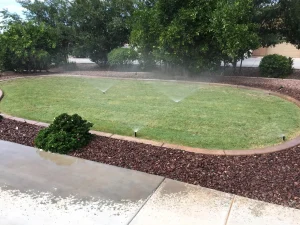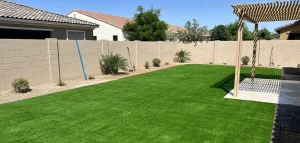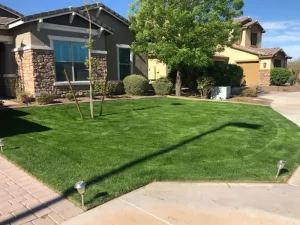
Hello there… look down at your lawn for a second. Is it losing color faster than usual? Are once-soft patches now rough, dry, and uneven underfoot? Summer does not ask for permission. It arrives, stays longer than expected, and quietly pushes grass past its limit.
At first, the damage looks harmless. A few pale spots. Slower growth. A little dryness by the edges. But day after day of intense sun changes how soil behaves, how roots breathe, and how grass protects itself. Water alone stops working. Mowing feels risky. Something feels off, even if the lawn is still mostly green.
This is usually the moment homeowners start searching for real solutions. Not temporary patches. Real turf recovery. That is where SOD repair services in Phoenix begin to matter—not as a last resort, but as a way to stop heat damage before it becomes permanent.
What Summer Sunburn Really Does to Grass?
Grass does not burn the way skin does. It weakens slowly. Heat stress raises surface temperatures beyond what grass blades can regulate. Moisture evaporates faster than roots can replace it. Chlorophyll production drops. Color fades.
Below the surface, the damage goes deeper. Soil holds heat overnight, especially when compacted or dry. Roots stay warm when they should be cooling. Oxygen flow slows. Growth shifts upward instead of downward, leaving grass shallow, fragile, and exposed. This is why lawns fail even when watered regularly. The problem is not effort. It is biology working against extreme conditions.
Once bare soil appears, it absorbs more heat than grass ever could. That heat reflects outward, stressing nearby healthy turf. Without intervention, small damaged areas expand week after week.
Why Reseeding Rarely Works in Peak Heat?
Many homeowners try reseeding first. It feels logical. Unfortunately, summer is the worst possible time for seed-based recovery. Germination demands stable moisture and cooler soil temperatures—conditions that simply do not exist during prolonged heat.
Seeds dry out. Sprouts fail. Soil crusts over. The lawn looks worse than before.
SOD repair skips this fragile stage entirely. Instead of waiting for grass to grow, it installs mature turf that already knows how to survive.
The Immediate Advantage of SOD
Fresh SOD shades soil instantly. It lowers surface temperature, slows evaporation, and protects root zones the moment it is installed. That head start makes all the difference during extreme summer exposure.
How SOD Repair Services Reverse Heat Stress?
SOD repair is not about replacing everything. It is about fixing what heat broke. Damaged sections are carefully removed. Soil is evaluated, loosened, and rebalanced. New SOD is blended into existing turf so the lawn recovers evenly.
This targeted approach prevents unnecessary disruption. Healthy grass stays intact. Weak zones get reinforced. The lawn begins functioning as a single system again.
The goal is not just greener grass. It has deeper roots, better airflow, and stable moisture cycles. Once roots reconnect below the heat layer, grass regains its natural cooling ability.
Soil Preparation: The Step Most People Skip
SOD alone cannot fix overheated ground. Soil preparation determines whether repair succeed or fail. Compaction, uneven grading, and poor drainage trap heat and suffocate roots.
Professional repair corrects these issues before SOD is laid. The soil becomes breathable again. Water reaches where it should. Roots grow downward instead of sideways.
In areas influenced by Desert Hardscape in Ahwatukee, AZ, this step becomes even more critical. Hard surfaces reflect heat back onto turf edges, intensifying stress exactly where grass is already weakest.
Managing Heat Around Hardscape
Proper spacing, soil depth, and edge transitions reduce radiant heat buildup. This protects repaired SOD from repeated thermal shock near walkways and structural borders.
Water Efficiency After SOD Repair
One common fear is higher water use. In reality, repaired SOD often needs less water over time. Healthy turf absorbs moisture efficiently. Runoff decreases. Evaporation slows.
Watering schedules become predictable instead of reactive. Grass holds color longer. Stress signs appear later, even during heat waves.
A Lawn That Regulates Itself
Once roots establish, turf manages temperature naturally through transpiration. The lawn works with the climate instead of constantly fighting it.
Why Waiting Makes Summer Damage Worse?
Heat damage does not pause. Each week without correction increases soil temperature, weakens root systems, and expands dead zones. By late summer, repair options narrow, and recovery takes longer.
Early SOD repair interrupts this cycle. It stabilizes turf before collapse begins. The lawn recovers while conditions are still manageable.
When Damage is No Longer the Ending
By the time summer damage becomes obvious, grass has already been under stress for weeks. Water alone cannot reverse overheated soil or collapsed root systems.
SOD repair services in Phoenix address the problem where it starts—below the surface—by restoring balance, cooling the ground, and rebuilding turf strength from the roots up.
For homeowners ready to protect their lawn from lasting damage, CGL Landscaping delivers repair solutions designed for extreme heat realities.
Restore Your Lawn Before the Heat Wins
Professional SOD Repair That Works With the Climate
If your lawn is thinning, fading, or struggling despite regular care, it is time for targeted repair—not guesswork. Schedule a consultation today with CGL Landscaping.
Mail us at info@creativegreenaz.com.
FAQs
1. How quickly does SOD repair show visible improvement?
Most lawns show immediate visual improvement after installation. Root establishment typically takes four to six weeks, during which turf gains strength, density, and improved heat tolerance with proper watering and limited traffic.
2. Is SOD repair better than replacing the entire lawn?
Yes. Repair focuses only on damaged areas, preserving healthy turf and reducing cost, time, and disruption. It also allows the lawn to recover evenly instead of restarting from bare soil.
3. Can SOD handle continuous summer sun?
When installed with proper soil preparation, SOD handles extreme sun better than stressed existing turf. Mature grass provides instant shading and temperature regulation that young seedlings cannot match.
4. How does soil condition affect heat damage?
Compacted or poorly graded soil traps heat and restricts oxygen flow. Correcting these conditions allows roots to cool naturally, absorb nutrients, and support long-term turf stability.
5. Will SOD repair reduce long-term maintenance?
Yes. Healthy SOD requires fewer corrective measures. Watering becomes more efficient, color retention improves, and the lawn responds better to routine care even during high-temperature periods .